


Security infrastructure
—
Mar 4, 2026
Vape Detectors: A Complete Guide for Schools and Businesses
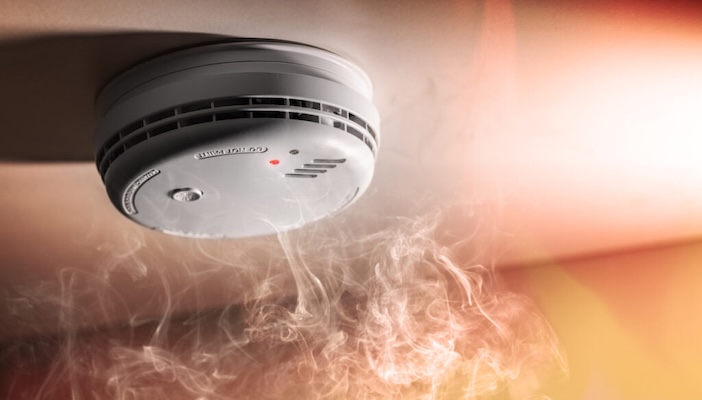
Vape detectors help schools, workplaces, and public facilities monitor enclosed spaces where traditional smoke detectors fall short. This guide covers how vape detection technology works, what affects accuracy and sensitivity, and how to deploy these devices effectively alongside your existing security infrastructure.
What Are Vape Detectors?
Vape detectors are specialized air quality sensors that identify when someone uses an electronic cigarette or vaping device in an enclosed space. Unlike traditional smoke detectors that respond to fire and combustion particles, vape detectors use advanced sensor technology to detect the specific aerosol particles released during vaping. These devices send silent notifications to administrators rather than sounding loud alarms, making them ideal for schools, workplaces, and other settings where privacy matters.
Modern vape detectors can identify multiple substances beyond basic vape aerosols. Many devices detect nicotine, THC (the active compound in marijuana), and masking agents like hairspray or perfume that people sometimes use to hide vaping activity.
The detectors typically mount on ceilings or walls and connect to notification systems that alert staff via email, text message, or mobile app when vaping is detected. Because they operate silently and do not record audio or video, they can monitor privacy-sensitive areas like bathrooms and locker rooms without compromising personal privacy.
How Do Vape Detectors Work?
Vape detectors use multiple sensor technologies working together to identify vaping activity and distinguish it from other airborne particles. The most common approach involves laser-based particle sensors that measure particulate matter in the air. When someone vapes, the device releases tiny aerosolized particles that pass through the sensor's detection zone, where a laser measures their size and concentration.
The detector compares real-time particle data against normal air quality baselines for that specific environment. When particle concentrations exceed predetermined thresholds consistent with vaping activity, the device triggers an alert. Advanced models also include chemical gas sensors that detect volatile organic compounds and specific chemical markers associated with vaping, providing additional accuracy beyond particle detection alone.
- Particle release: Vaping creates aerosolized particles that enter the surrounding air
- Laser measurement: The sensor measures particle size and concentration in real-time
- Baseline comparison: The device compares readings against normal air quality levels for that room
- Alert trigger: When thresholds are exceeded, notifications are sent to designated staff
Many advanced vape detectors offer capabilities beyond simple vape detection. Devices can monitor air quality metrics including humidity, temperature, and carbon dioxide levels. Some models include sound sensors that detect sudden loud noises such as breaking glass or fighting, while others track room occupancy. This multi-function approach provides schools and businesses with comprehensive environmental monitoring from a single device.
The Sensitivity and Accuracy of Vape Detectors
Understanding how sensitive and accurate vape detectors are helps you set realistic expectations and deploy devices effectively. Performance depends on sensor quality, proper placement, and environmental conditions in each specific location.
Vape Detector Sensitivity
Vape detector sensitivity refers to the device's ability to identify vaping activity at various distances and particle concentrations. High-sensitivity detectors can identify vaping particles at significantly lower concentrations than traditional smoke detectors can detect cigarette smoke. This heightened sensitivity is necessary because vape aerosols dissipate more quickly and contain much smaller particles than traditional cigarette smoke.
Several factors affect how sensitive your vape detector will be in practice:
- Sensor quality: Premium sensors detect smaller particles at greater distances
- Device placement: Sensors positioned near typical vaping locations achieve better detection rates
- Air circulation: Rooms with poor ventilation may require more sensitive settings
- Environmental interference: Steam, cleaning products, and other aerosols can affect sensor readings
Vape Detector Accuracy
Accuracy measures how reliably a device distinguishes vaping from other aerosol sources like hairspray, perfume, or cleaning products. High-accuracy detectors minimize false positives while maintaining reliable vape detection. This balance is critical for maintaining staff credibility and avoiding alert fatigue, where staff begin ignoring notifications because too many are false alarms.
Devices using multiple sensor types achieve higher accuracy by cross-referencing data from different sources. Some advanced systems use machine learning algorithms that learn facility-specific patterns over time, reducing false positives as the system becomes familiar with normal air quality variations in each location. Proper installation and calibration also significantly impact accuracy, making professional setup important for optimal performance.
Vape Detectors vs Smoke Detectors
While both vape detectors and traditional smoke detectors monitor air quality, they operate using different technologies and serve distinct purposes. Understanding these differences helps explain why you cannot rely on existing smoke detection systems for vaping prevention.
Vape aerosols are fundamentally different from cigarette smoke in ways that make traditional smoke detectors ineffective. Vape particles are significantly smaller and dissipate with a half-life of seconds, making them nearly invisible to traditional smoke detectors. Additionally, vape aerosols lack the distinctive smell of cigarette smoke, eliminating another common detection method.
These factors mean that traditional smoke detectors cannot reliably identify vaping activity, even when it occurs directly in front of the device. If you want to detect vaping in your facility, you need purpose-built vape detection technology.
Industries That Benefit from Vape Detection
Vape detection technology serves multiple sectors beyond education, each with unique implementation needs and benefits. Understanding how different industries use these devices helps you identify relevant applications for your own facilities.
Schools and Educational Facilities
Schools face particular challenges with 1.63 million students currently vaping, making vape detection a priority for administrators focused on student health and safety. Devices installed in bathrooms, locker rooms, hallways, and other privacy-sensitive areas help identify vaping hotspots and deter student use.
Detection data helps schools understand vaping patterns, implement targeted intervention programs, and measure the effectiveness of prevention initiatives over time. Many school districts use vape detection as part of broader student wellness programs rather than purely punitive enforcement.
Commercial Buildings and Workplaces
Office buildings and corporate facilities use vape detection to maintain smoke-free workplace policies and protect employee health. Devices installed in restrooms, break rooms, and common areas help enforce no-vaping policies while respecting privacy.
Some workplaces integrate vape detection with broader indoor air quality monitoring to create healthier work environments. This approach demonstrates commitment to employee wellness while maintaining policy compliance.
Healthcare Facilities
Hospitals and medical centers require strict smoke-free and vape-free policies to maintain patient health and comply with regulations. Vape detectors help enforce these policies in patient rooms, staff areas, and public spaces where vaping could affect vulnerable patients.
Healthcare facilities often integrate vape detection with other air quality and security monitoring systems for comprehensive facility management. This integration allows staff to respond quickly to policy violations without disrupting patient care.
Hospitality and Public Spaces
Hotels, restaurants, shopping centers, and transit hubs use vape detection to maintain smoke-free environments and comply with local regulations, including e-cigarette bans in 27 states. These facilities benefit from covert detection that does not disrupt customer experience while ensuring policy compliance.
Vape detection data helps facility managers identify areas requiring additional monitoring or enforcement attention. This targeted approach allows efficient resource allocation rather than constant manual monitoring.
What to Look for in a Vape Detector
Selecting an appropriate vape detection system requires evaluating multiple factors aligned with your facility's specific needs and constraints. The right choice depends on your environment, budget, and integration requirements.
When evaluating detection capabilities, prioritize devices that detect vape, THC, masking aerosols, and air quality metrics. Look for systems with documented accuracy rates and minimal false positive rates. Systems allowing sensitivity adjustment for different environments help you reduce false positives in challenging locations like areas near showers or cleaning supply storage.
For alert and notification features, you want instant SMS, email, or app alerts that enable rapid response. Systems that integrate with existing security infrastructure provide seamless deployment and reduce the learning curve for your staff. Devices that record detection events with timestamps and locations support pattern analysis and help you identify trends over time.
Consider installation requirements including power needs and coverage area per device. Most vape detectors cover enclosed areas approximately twelve feet by twelve feet, though coverage varies by device type and environmental factors. Understanding total cost of ownership, including hardware, installation, monitoring services, and ongoing maintenance, helps you budget appropriately and avoid unexpected expenses.
Tips for Deploying an Effective Vape Detection System
Successful vape detection implementation requires careful planning and execution. These evidence-based practices help you maximize detection effectiveness and minimize operational challenges.
Power Source and Installation Requirements
Vape detectors require consistent power to function continuously. Determine whether your facility can support hardwired installation connected to permanent power sources or requires battery-powered devices.
Hardwired systems provide continuous monitoring without maintenance concerns but require installation in powered locations. Battery-powered devices offer flexibility but require regular battery monitoring and replacement schedules. Plan cable routing and power accessibility before installation to minimize disruption.
False Positive Prevention
False positives undermine staff credibility and create alert fatigue. Avoid installing detectors in areas with high concentrations of non-vape aerosols, such as directly outside bathrooms with showers, near cleaning supply storage, or adjacent to areas where hairspray or perfume is commonly used.
Position devices at least several feet away from these sources. Work with your vendor to calibrate sensitivity settings appropriate for your facility's specific environment and adjust thresholds based on initial monitoring data.
Coverage and Placement Strategy
Effective coverage requires strategic device placement rather than comprehensive building saturation. Prioritize high-risk areas where vaping is most likely to occur, such as bathrooms, locker rooms, stairwells, and secluded areas.
Start with pilot deployments in priority areas, evaluate effectiveness, and expand coverage based on results rather than attempting to cover every space immediately. This approach helps you learn what works in your specific environment before committing to full-scale deployment.
Integration with Existing Security Systems
Modern vape detection systems integrate with existing security infrastructure to provide comprehensive monitoring. Connect devices to video management systems to automatically capture footage from nearby cameras when vaping is detected, providing context for investigation.
Organizations using AI-powered video security platforms like Lumana can leverage existing camera infrastructure to identify individuals entering monitored areas when alerts occur. This creates a complete picture of each incident without compromising privacy in sensitive spaces like bathrooms. The combination of vape detection and intelligent video analysis enables faster response and more effective follow-up.
Frequently Asked Questions About Vape Detectors
Can vape detectors distinguish between vaping and hairspray or perfume?
Advanced multi-sensor vape detectors can differentiate between vape aerosols and common non-vape sources, though proper placement and sensitivity calibration are essential for accuracy.
What is the typical coverage area for a single vape detector in a bathroom?
Most vape detectors cover enclosed areas approximately twelve feet by twelve feet, though coverage varies by device type, sensor quality, and environmental factors such as air circulation and ceiling height.
Are vape detectors effective in gymnasium or cafeteria spaces?
Vape detectors are designed for enclosed areas where aerosol particles concentrate. Large open spaces with significant air circulation reduce detection effectiveness due to rapid aerosol dispersal.
Do vape detectors record audio or video in bathrooms?
Quality vape detection systems do not record audio or video, protecting student and employee privacy while monitoring air quality and detecting vaping activity.
How quickly do vape detectors send alerts after someone vapes?
Modern vape detectors send real-time notifications within seconds of detecting vaping activity, enabling rapid staff response to incidents.
What happens if students cover or disconnect a vape detector?
Advanced systems include tamper detection that alerts administrators if a device is disconnected, covered, or disabled, preventing circumvention of monitoring.
Can vape detectors identify which specific vaping device was used?
Vape detectors can identify aerosol particles from most electronic vaping devices, though they cannot determine the specific brand or model of device used.


