Lumana for healthcare
Protect your facilities, patients, and employees with modern, AI-powered video security.
Key benefits
Enhance patient safety and care
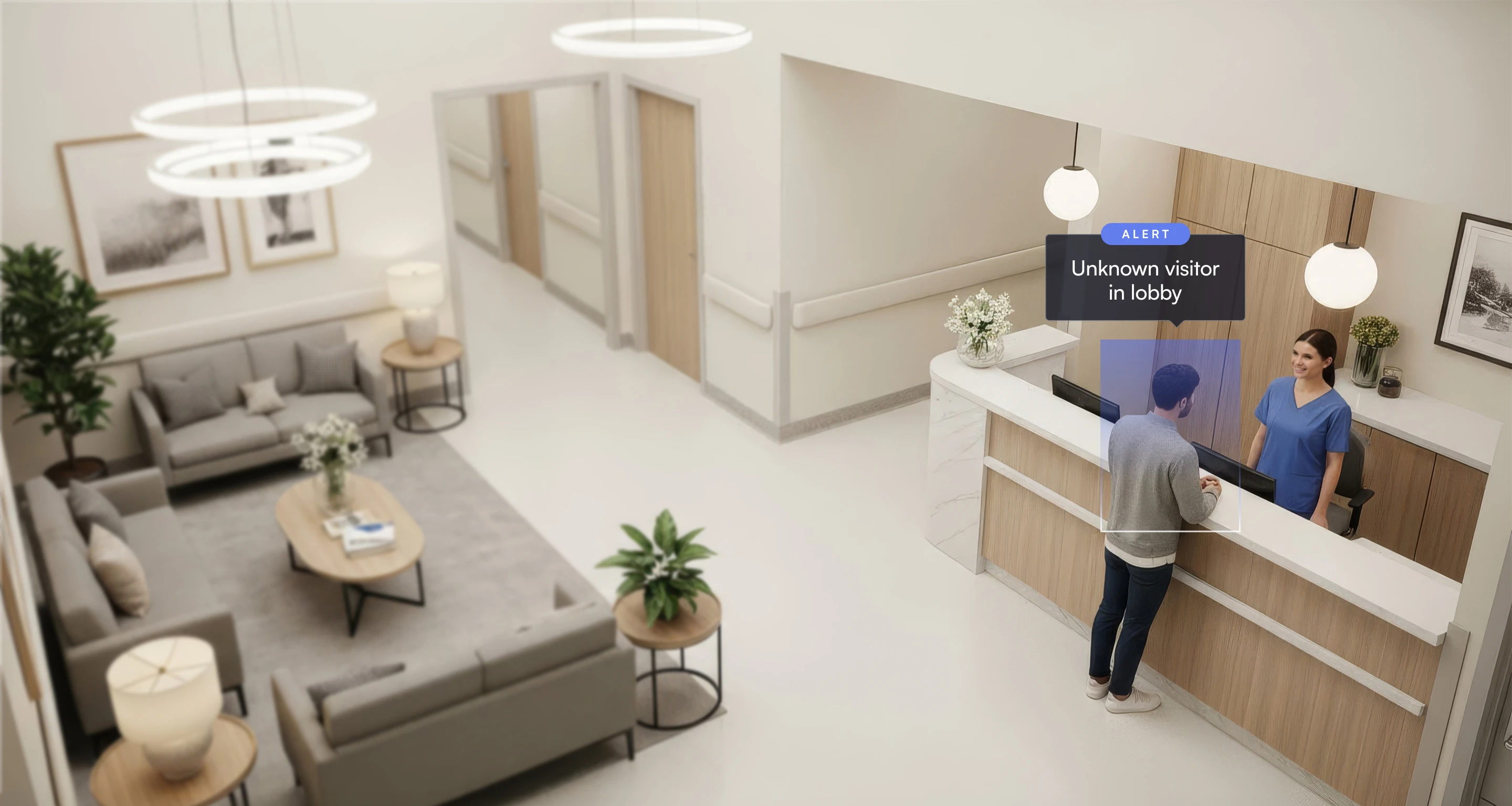
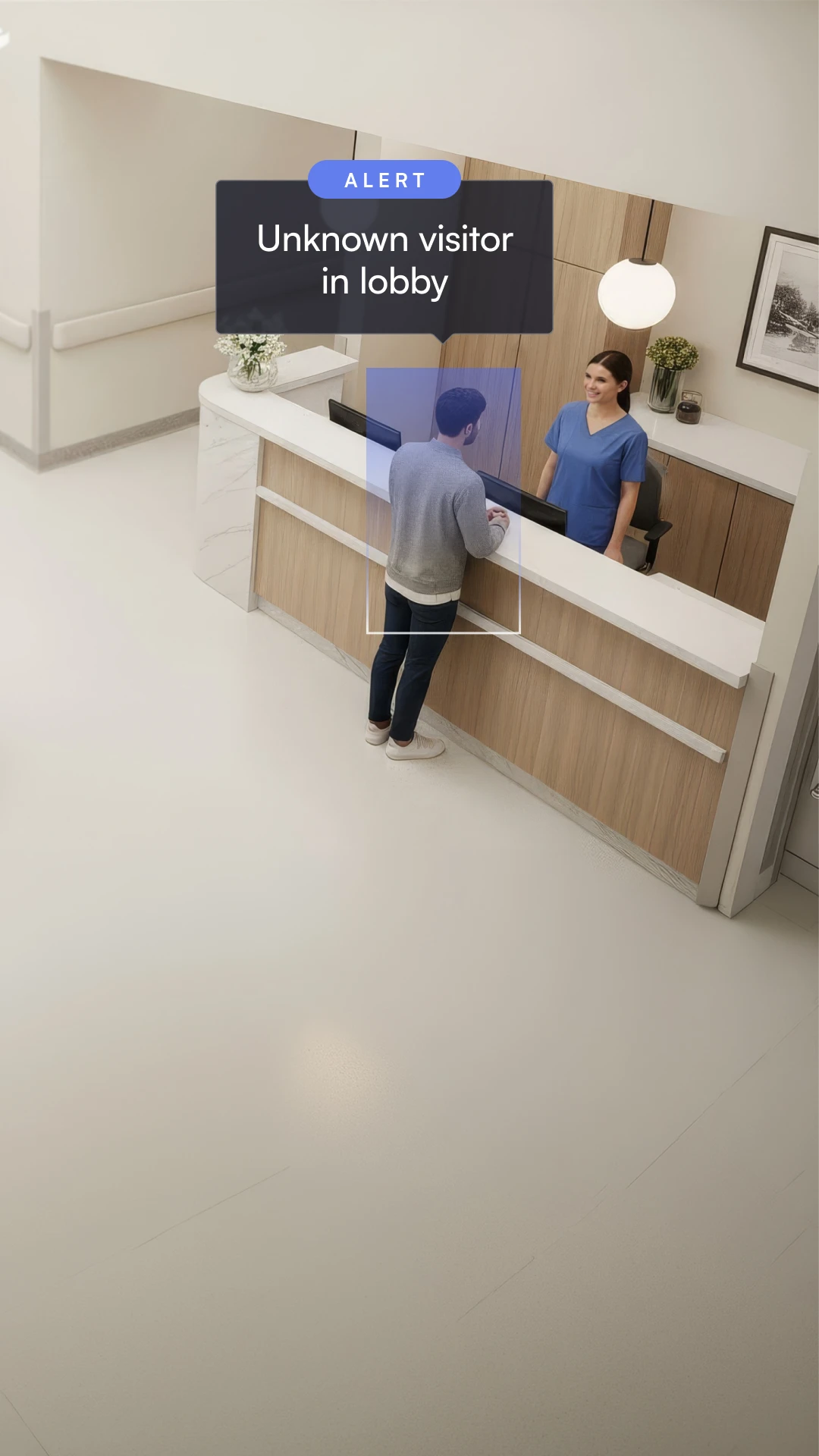
Accelerate incident response with real-time alerts for unauthorized access, slips and falls, and unusual behavior.
Streamline hospital operations
Optimize workflows, reduce wait times, and improve patient care with AI-powered analytics and dashboards.
Identify threats and react instantly
Self-learning AI enables rapid detection of threatening people and unwanted activity, enabling immediate action when it matters most.
Safer, smarter healthcare facilities
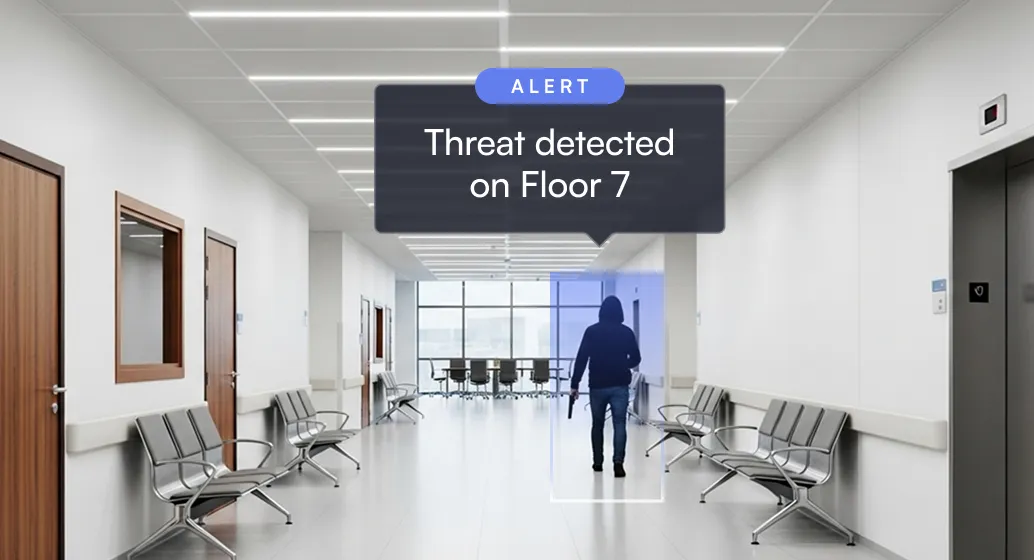

Unlock real-time awareness
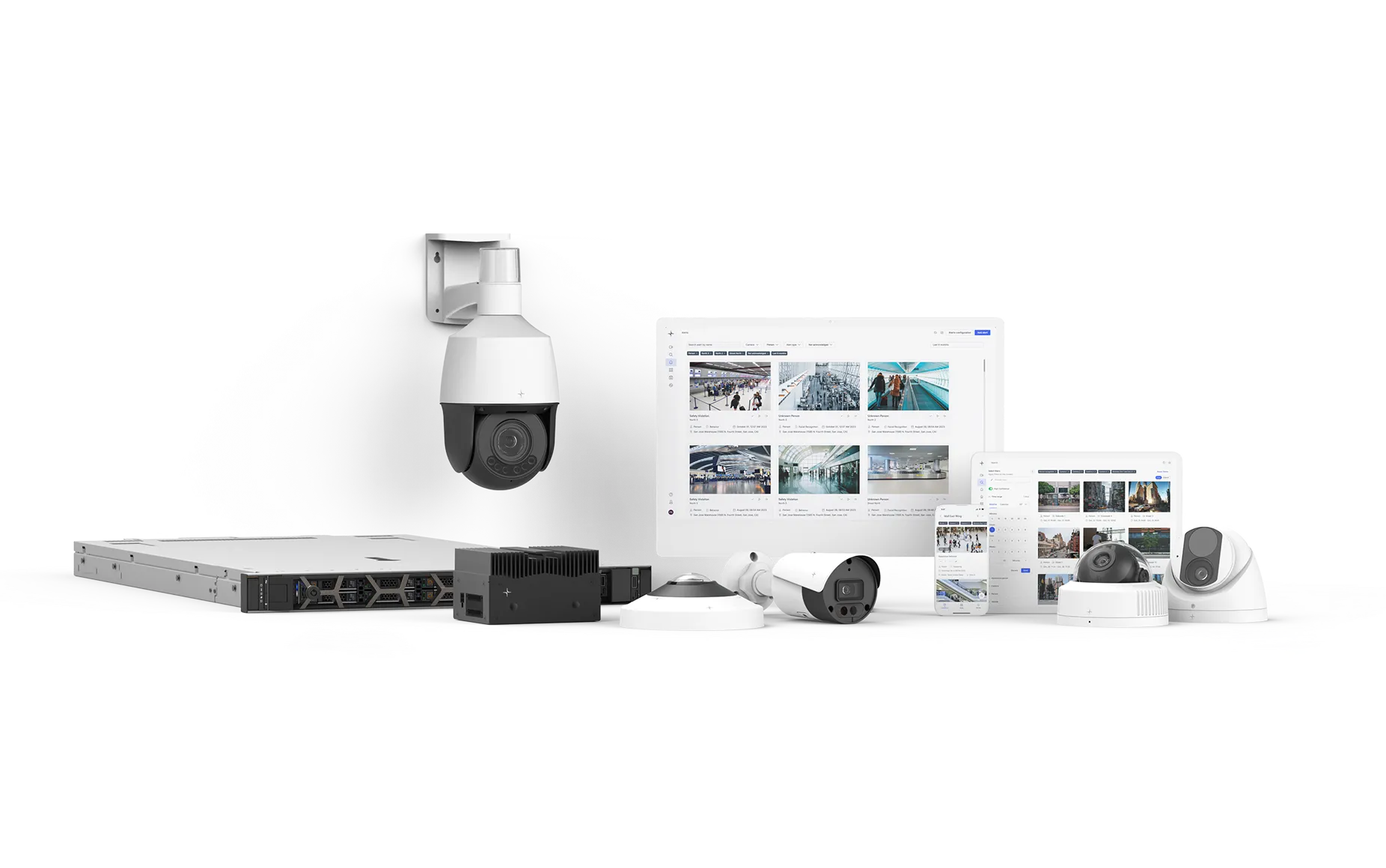
View cameras from one centralized platform and select from over 100+ alert combinations for automated AI monitoring.
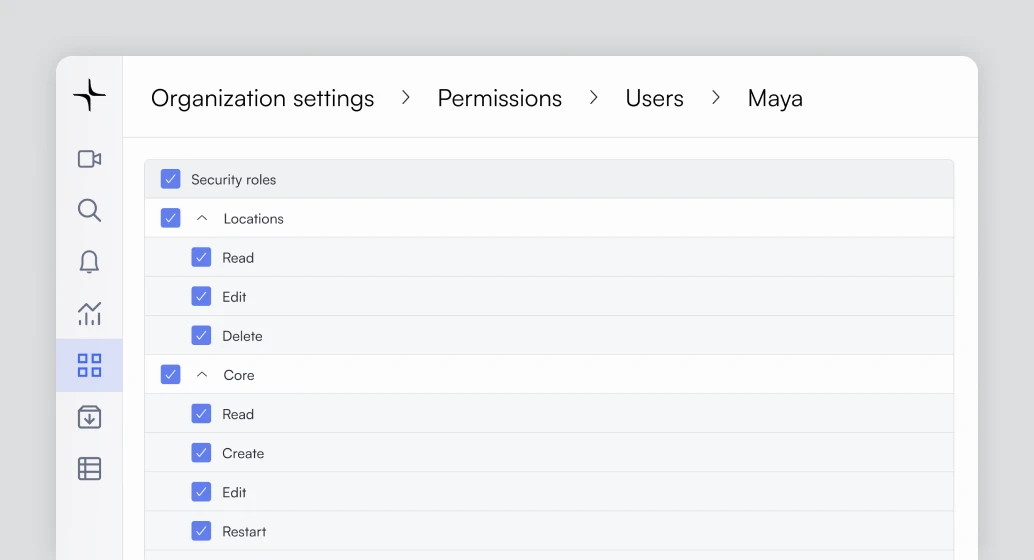
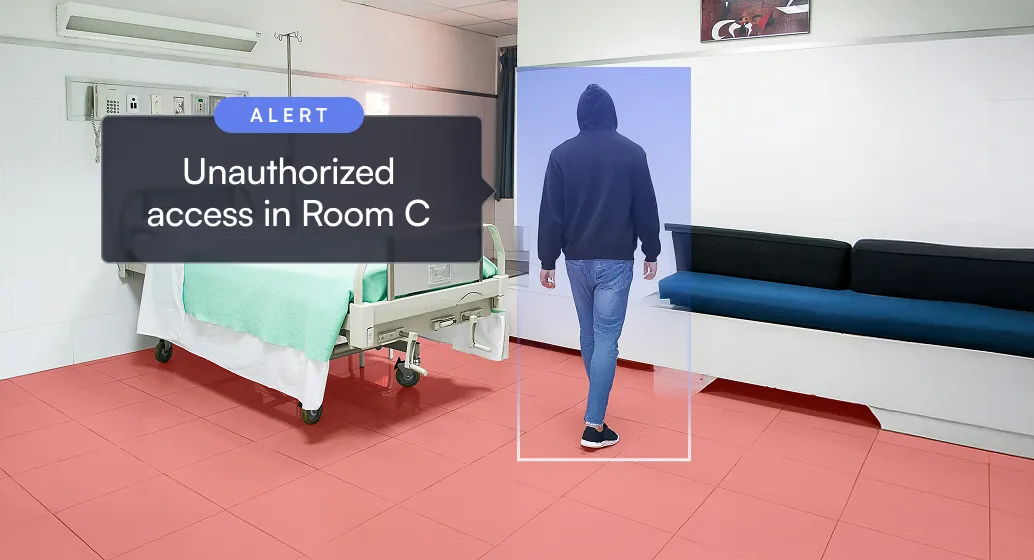
Healthcare security with Lumana


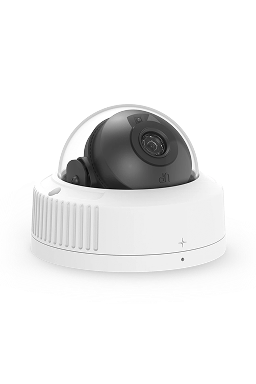

Enterprise-grade features. Always included.

Lifetime warranty for predictable system costs

Industry-leading AI features and capabilities

Hybrid-cloud reliability and performance

No port forwarding or VPN for secure access

Unlimited cameras, users, and cloud archiving

Bandwidth-friendly with real-time AI processing

Automatic updates for new AI and upgrades

Dedicated onboarding, training, and support
Frequently asked questions
How does Lumana help protect sensitive areas in hospitals?

Hospitals can use facial recognition to ensure only authorized staff are entering restricted zones like pharmacies or labs. Alerts can be triggered for unrecognized individuals in these high-security areas in real-time.
Can Lumana detect aggressive behavior or falls in patient areas?
Lumana’s AI understands context and can detect behaviors such as people pushing or fighting. It can also be configured to alert staff of unusual activity, helping to ensure a safe environment for both patients and healthcare workers.
How is patient data secured within the Lumana platform?
Lumana is secure by default, utilizing end-to-end AES 256 encryption, multi-factor authentication (MFA), and routine penetration tests to protect all data.
Can Lumana help prevent "patient elopement" in specialized care units?
Healthcare facilities can set virtual "tripwires" around exits or restricted elevators. If a high-risk patient enters these zones, staff receive an instant mobile alert with a live video clip. This proactive approach is much faster than traditional "door alarms" and helps prevent wandering incidents before a patient leaves the building.
How does Lumana help manage and track high-value medical equipment?
By using attribute-based search, facility managers can quickly locate "missing" assets like mobile X-ray machines or high-end wheelchairs. Instead of a manual search, staff can use Smart Search to see the last time the equipment was seen on camera and who was moving it, saving hours of staff time and reducing replacement costs.